 Nederlands

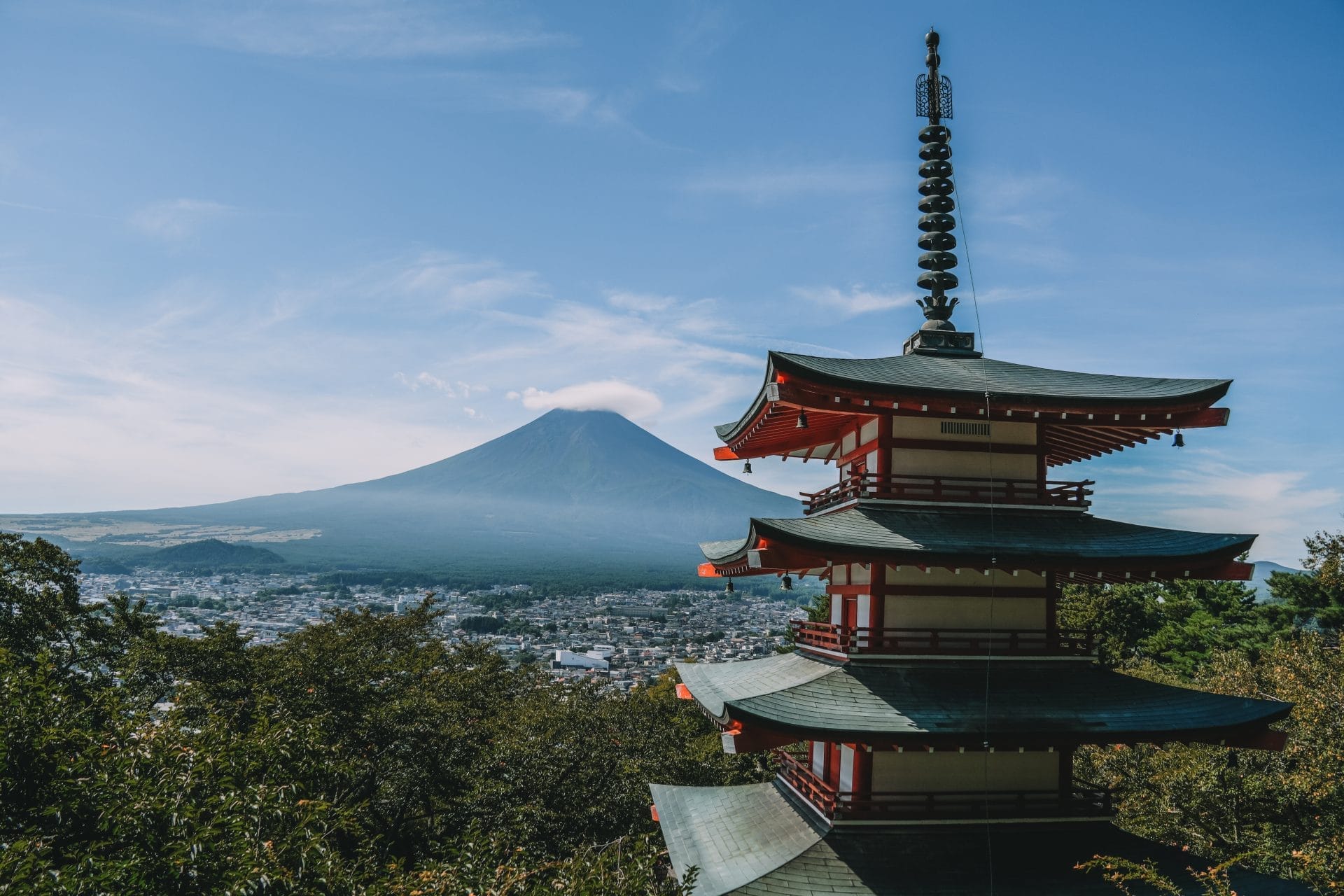

Japan is a country in East Asia, located east of China and South Korea, and consists of hundreds of islands. It’s best known for its rich culture, ultra-modern cities, stunning nature, and – of course- its incredible food. When you think of Japan, images of ancient temples, neon-lit streets, bullet trains, and sushi probably come to mind. It’s the perfect destination for travelers who love a mix of culture, nature, and modern city life.
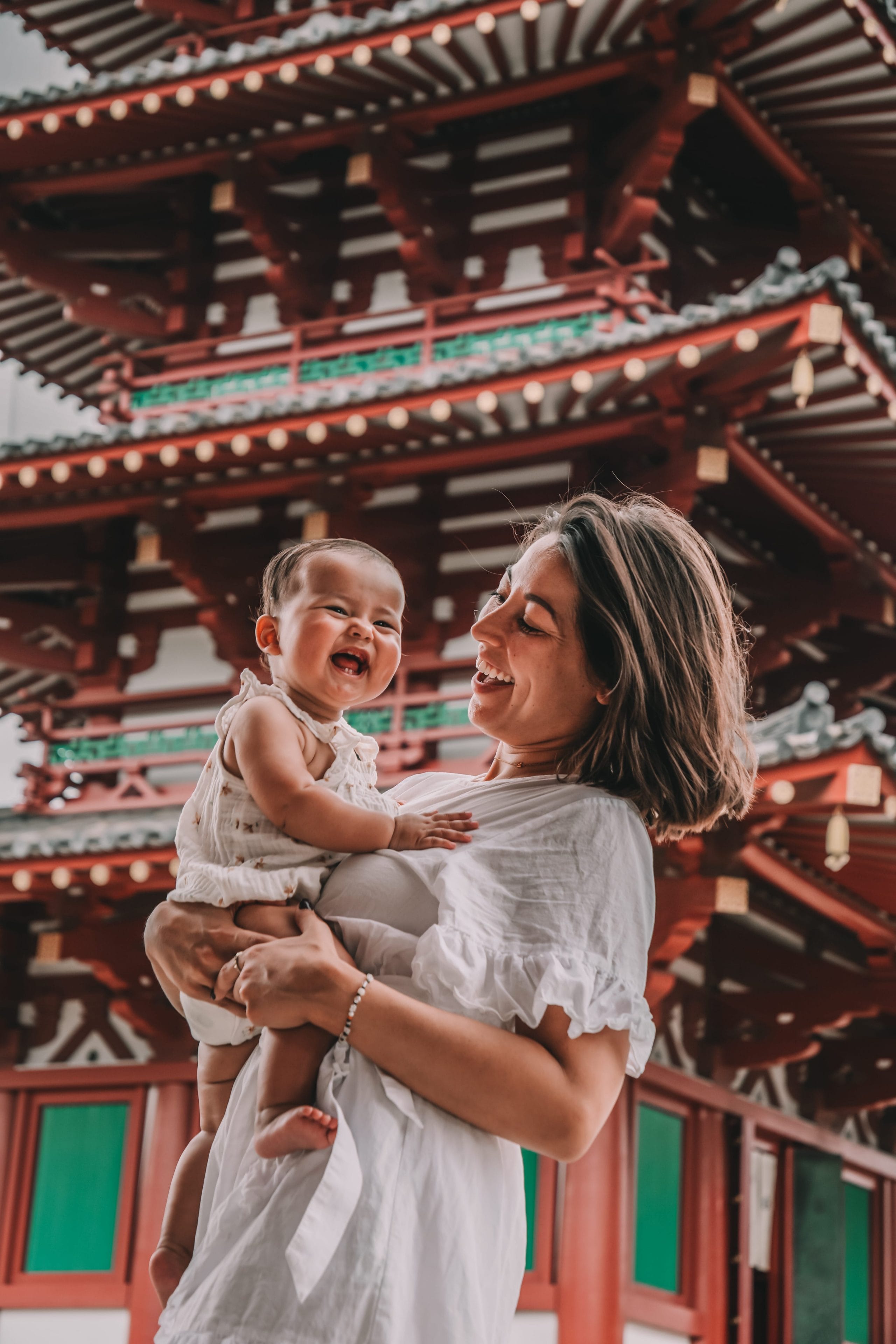
For us, this trip was extra special: it was our first long-haul journey with our daughter. She was just 10 months old at the time. Luckily, everything went incredibly well! Japan is an extremely baby- and kid-friendly destination: it’s clean, safe, well-organized, and full of facilities for parents. In this article, I’m sharing the ultimate 3-week Japan itinerary, including plenty of tips along the way.
 How to get to Japan
 How to get to Japan
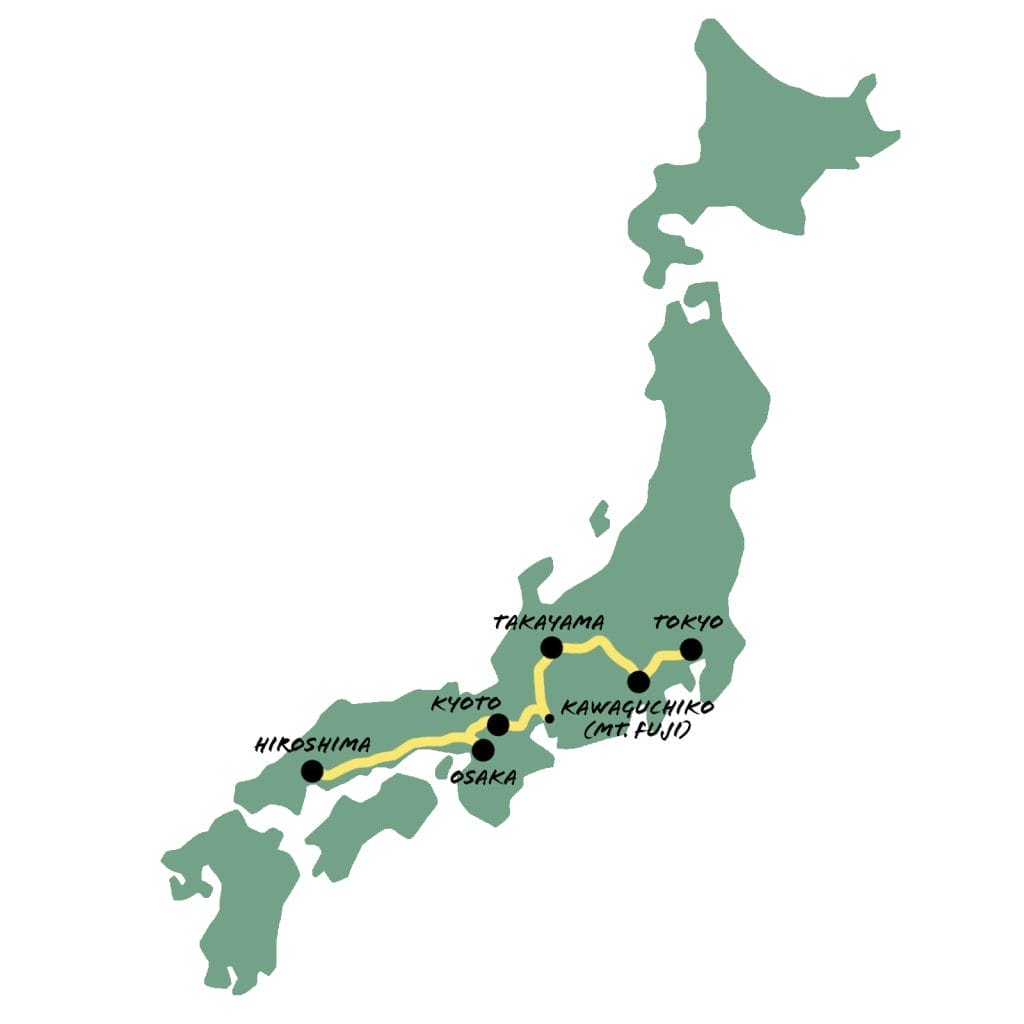
From Amsterdam and Brussels, you can fly to Japan either nonstop or with a layover. We chose to fly with Etihad from Brussels to Osaka, with a stopover in Abu Dhabi. Our return flight was from Tokyo back to Brussels, also via Abu Dhabi. For two adults and one baby, we paid €1,750 round-trip. Total travel time was about 18 hours.
Traveling with a baby? Be sure to ask the airline if you can reserve a bassinet (often for free). It allows your baby to sleep comfortably and gives you your hands free—highly recommended!
Tip: You can easily compare and book flights using Skyscanner.


Osaka (3 Nights)
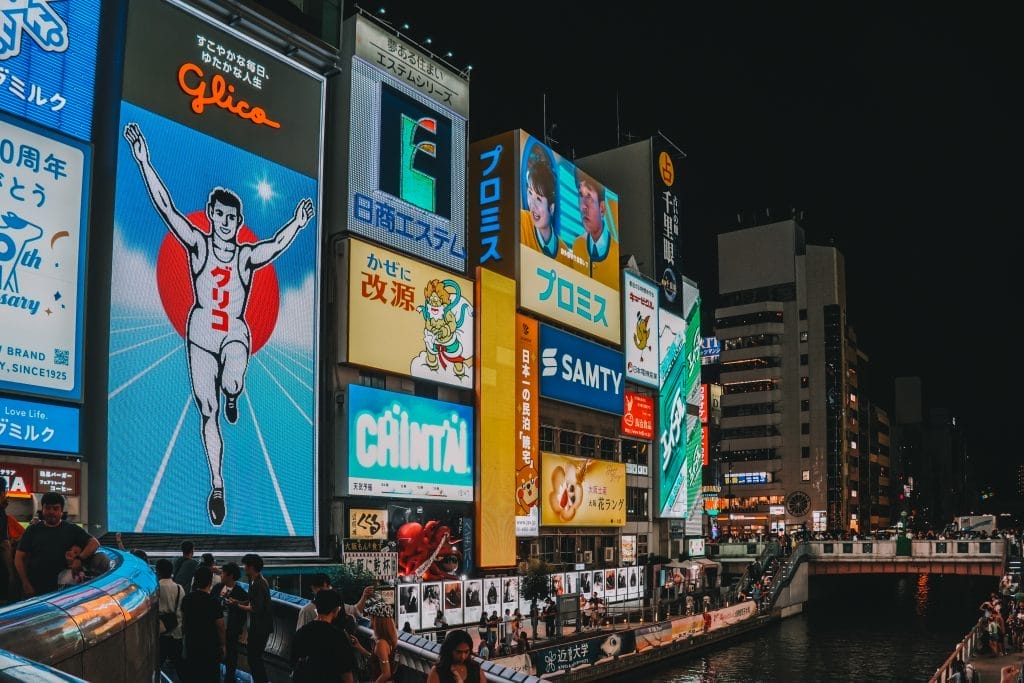
Osaka is Japan’s third-largest city and is known for its lively atmosphere and slightly gritty edge. The city has a rich history, bustling neighborhoods, busy shopping streets, and colorful neon lights. For food lovers, Osaka is pure heaven, famous for street food like takoyaki (octopus balls) and okonomiyaki (savory pancakes).
 Things to Do in Osaka
 Things to Do in Osaka
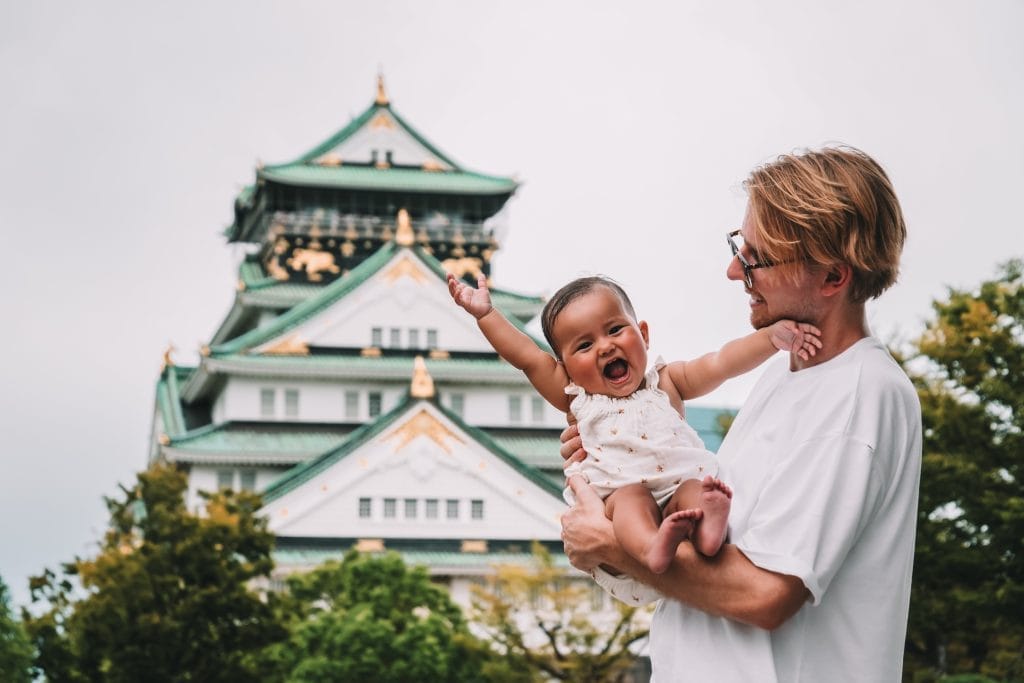
There’s so much to do in Osaka. Stroll through Shinsekai and Dotonbori for nostalgic vibes and bright neon signs. Food lovers should not miss Kuromon Ichiba Market. If you’re interested in history and culture, visit Osaka Castle and the surrounding Nishinomaru Garden. You’ll also find several beautiful temples in and around the city, such as Shitenno-ji, Namba Yasaka Shrine, and Katsuoji Temple. For panoramic city views, head to the Umeda Sky Building, and if you’re traveling with kids, the Osaka Aquarium is definitely worth a visit.


Where to Stay in Osaka
 Where to Stay in Osaka
We stayed three nights at Tanimachikun Hotel Namba 80, an apartment with a private bathroom and kitchen, within walking distance of many attractions. There are also plenty of supermarkets and restaurants nearby.
Tip: Most accommodations in Japan don’t provide baby cribs. We brought a lightweight pop-up baby tent from Deryan, which was compact and easy to travel with.

Hiroshima (2 Nights)
From Osaka, we took the Shinkansen (bullet train) to Hiroshima. These high-speed trains can reach speeds of up to 200 mph (320 km/h), and the trip took about 1.5 hours.
Tip: You can easily book Shinkansen tickets through Klook, which is similar to GetYourGuide but more commonly used in Japan. You can choose between reserved and non-reserved seats and even select window or aisle seats. All booking details are sent by email and stored in the Klook app.
Hiroshima is best known for the tragic atomic bombing in 1945. While this history is deeply moving, what makes Hiroshima special is how the city has rebuilt itself into a modern, peaceful, and welcoming place.
Things to Do in Hiroshima
 Things to Do in Hiroshima
A visit to the Peace Memorial Park, Hiroshima Peace Memorial Museum, and the Atomic Bomb Dome is incredibly impactful and educational. Other highlights include Hiroshima Castle and the serene Shukkeien Garden. For food, head to Okonomimura, a food hall filled with small restaurants serving Hiroshima-style okonomiyaki. Baseball fans should try to catch a Hiroshima Carp game – the atmosphere is uniquely Japanese. Lastly, don’t miss a day trip to Miyajima Island, home to the iconic floating torii gate and friendly free-roaming deer.


Where to Stay in Hiroshima
 Where to Stay in Hiroshima
We stayed two nights at Fav Hiroshima Stadium in a spacious, modern room with two large double beds, a sofa, a bathroom with a washing machine, and a kitchenette. It’s close to the baseball stadium and about a 10-minute walk from the station.

Kyoto (5 Nights)
From Hiroshima, we continued to Kyoto by Shinkansen. We booked our tickets again through Klook, and the journey took about 1 hour and 40 minutes.
Kyoto is the cultural heart of Japan, famous for its centuries-old temples and traditional wooden houses. From red torii gates to imperial palaces, Kyoto is the place to experience traditional Japan, while still being a modern city at the same time.
Things to Do in Kyoto
 Things to Do in Kyoto
There’s so much to see in Kyoto that you’ll never get bored. Fushimi Inari Shrine, with its thousands of red torii gates, is one of the city’s most iconic sights. Arashiyama is another must-visit area, home to the famous Bamboo Forest and Iwatayama Monkey Park, where Japanese macaques roam freely and you’re rewarded with amazing city views. Don’t miss Kinkaku-ji (the Golden Pavilion), Nijo Castle, and the Ninomaru Palace. Food lovers should explore Nishiki Market, packed with local snacks and street food.
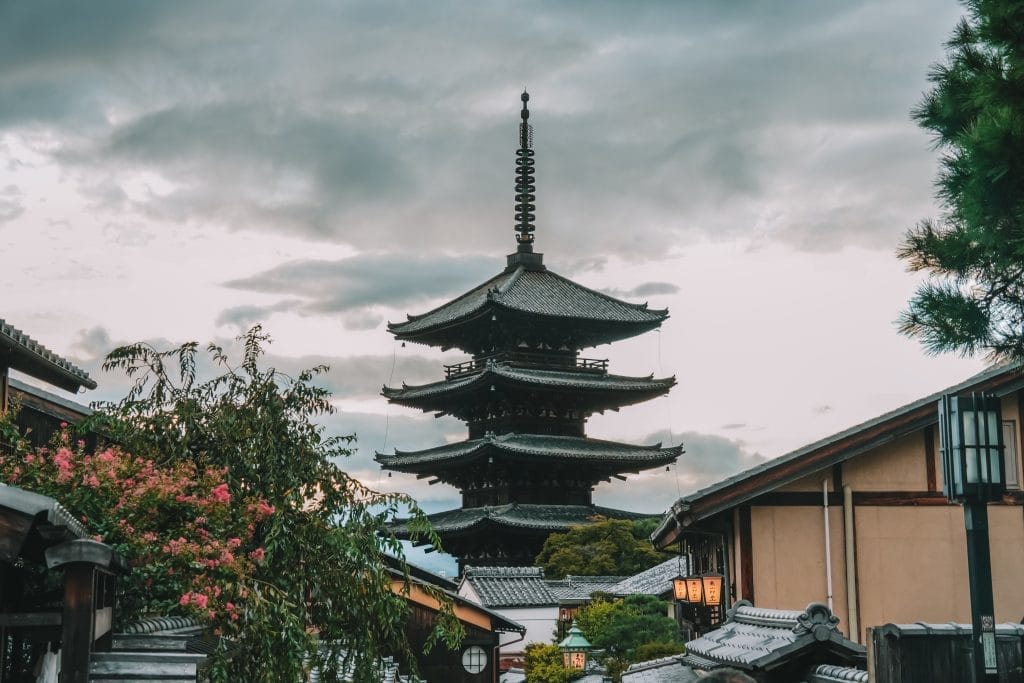
For traditional streets and historic charm, head to Gion and Higashiyama. Here you’ll find Ninenzaka and Sannenzaka, traditional teahouses, – and with a bit of luck – even spot a geisha. Nearby highlights include Hokan-ji Temple (Yasaka Pagoda) and Kiyomizu-dera.
A day trip to Nara is also highly recommended. More than 1,000 deer roam freely here (watch your snacks!), and you can visit Todai-ji Temple, Kasuga Taisha Shrine, and the charming Naramachi district.


Where to Stay in Kyoto
 Where to Stay in Kyoto
We stayed five nights at Moonlight Inn Kujo, a traditional Japanese-style apartment with futon beds. It has two bedrooms, a kitchen, and a bathroom with a washing machine. The subway station is a 5-minute walk away, and Kyoto Station is about 15 minutes on foot.
Takayama (2 Nights)
From Kyoto, we traveled to Takayama, a small town in the Japanese Alps. Takayama is known for its beautifully preserved streets, wooden houses, and calm, authentic atmosphere—it truly feels like stepping back in time.
We took the Shinkansen from Kyoto to Nagoya (about 35 minutes), then transferred to a Limited Express (Hida Express), which took us through stunning mountain scenery to Takayama in about 2.5 hours. Tickets are easy to buy at any train station. We bought our tickets ourselves at the Arashiyama station (near the Bamboo Forest), since it was much quieter there.
Things to Do in Takayama
 Things to Do in Takayama
Wander through Takayama Old Town, filled with traditional houses, small shops, and cozy restaurants. Stop by the Harada Sake Brewery for a tasting, and don’t miss the Miyagawa Morning Markets, where you can try local specialties like Hida beef. For culture, visit the Hida Folk Village, an open-air museum, the Matsuri no Mori Museum or take a trip to Shirakawago. The Higashiyama Walking Course, a scenic route through temples and forested paths, is also worth doing.


Where to Stay in Takayama
 Where to Stay in Takayama
We stayed two nights at Chisun Grand Takayama, just a 5-minute walk from the station and 10 minutes from Old Town, with plenty of restaurants nearby.
Kawaguchiko & Mount Fuji (2 Nights)
Our next stop was Kawaguchiko, a small town focused entirely around views of Mount Fuji. We took the Limon Bus to Kawaguchiko, which took about 5–5.5 hours including rest stops.
Located on Lake Kawaguchi, one of the Fuji Five Lakes, this area is known for its breathtaking scenery and photo-worthy viewpoints.
Things to Do in Kawaguchiko
 Things to Do in Kawaguchiko
Some of the best Mount Fuji views can be found here. Chureito Pagoda is one of the most iconic viewpoints, combining a red pagoda with Mount Fuji in the background. Oishi Park is especially beautiful in spring and summer when flowers are in bloom. The North Lake Shore Walk offers peaceful lake views with Mount Fuji almost always in sight. Other popular photo spots include the Lawson near Kawaguchiko Station and Honcho Street in Fujiyoshida. For even better views, visit Tenku no Torii or take the Kachi Kachi Ropeway.


 Where to Stay in Kawaguchiko
 Where to Stay in Kawaguchiko
We stayed at Stella House Gemini, a modern home with a spacious bedroom, living room, kitchen, washing machine, and even Mount Fuji views from the balcony. It’s about a 10-minute walk from the station.
Tokyo (5 Nights)
Our final stop was Tokyo. From Kawaguchiko Station, we took a direct bus to Shinjuku Station, which took about 2.5 hours. Tickets were booked online via highwaybus.com.
Tokyo is Japan’s buzzing capital and one of the largest cities in the world. Known for its futuristic skyline, historic temples, unique neighborhoods, and endless dining options, it’s the perfect place to end your trip.
Things to Do in Tokyo
 Things to Do in Tokyo
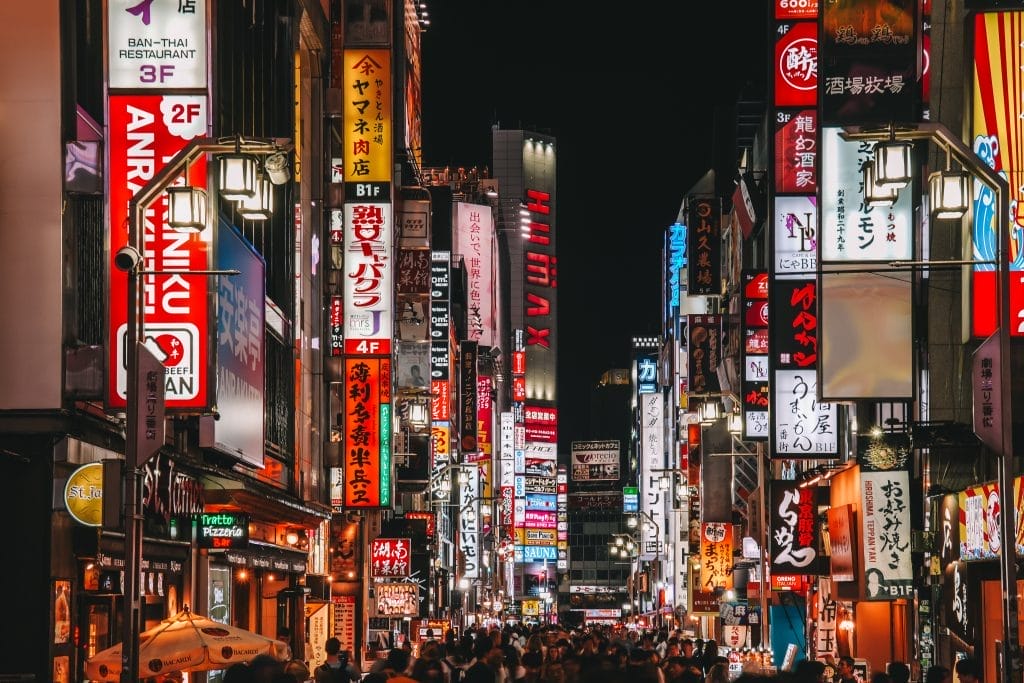
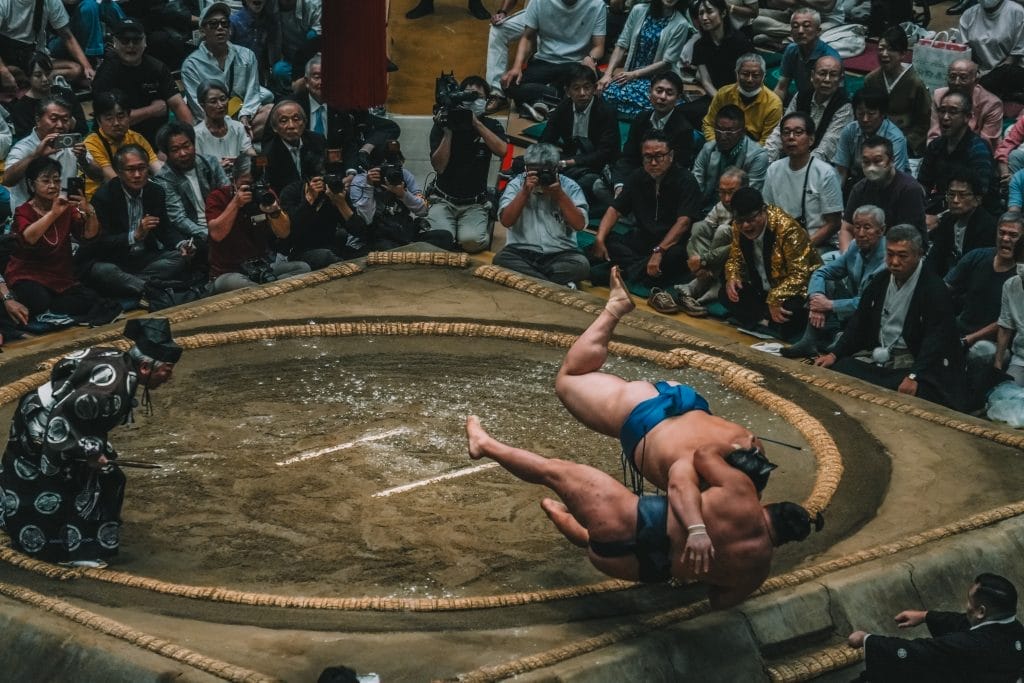
Tokyo’s neighborhoods each have their own personality. In Shibuya, see the famous Shibuya Crossing and enjoy views from Shibuya Sky. Shinjuku is full of skyscrapers, neon lights, and entertainment, but also offers calm green spaces like Shinjuku Gyoen. Nearby Harajuku is famous for Takeshita Street, while also being home to the peaceful Meiji Shrine and Yoyogi Park. If possible, attend a sumo match at Ryogoku Kokugikan.
Visit Senso-ji Temple in Asakusa, stroll along Nakamise Street, and admire the Tokyo Skytree. One of our personal highlights was TeamLab Borderless, an immersive digital art museum. Food lovers should explore Tsukiji Market, while Akihabara, Kappabashi Street, Gotokuji Temple, Shimokitazawa, and Yanaka Ginza are all great additions to your itinerary.


Where to Stay in Tokyo
 Where to Stay in Tokyo
We stayed five nights at Skytree View Kinshicho, a comfortable accommodation with a baby crib, close to Tokyo Skytree and about a 15-minute walk from the station. Supermarkets and restaurants are just around the corner.

Did my info help you? Some links are sponsored. If you buy through one of them, I may earn a small commission, at no extra cost to you. I only recommend products and companies I’ve had good experiences with.



Leave a reply